Start with the charges already coded.
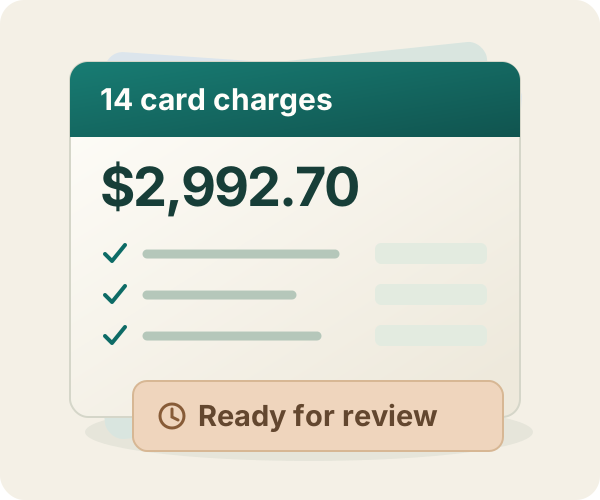
Standing rules filled the coding for 14 Business Visa charges. The prepared $2,992.70 batch waited for a person’s decision before anything posted.
See the prepared plan (original screenshot, opens in a new tab)Your staff can ask the AI to code card charges, match receipts and prepare bills for each client. They review the proposed entries together and leave out anything that needs more information. What you teach it about a client is still there next month, and for the next person who takes the client over.
In this sample company, saved rules supplied the coding for 14 card charges. The reviewer checked the entries and approved $2,992.70 for posting to QuickBooks Online.
Standing rules filled the coding for 14 Business Visa charges. The prepared $2,992.70 batch waited for a person’s decision before anything posted.
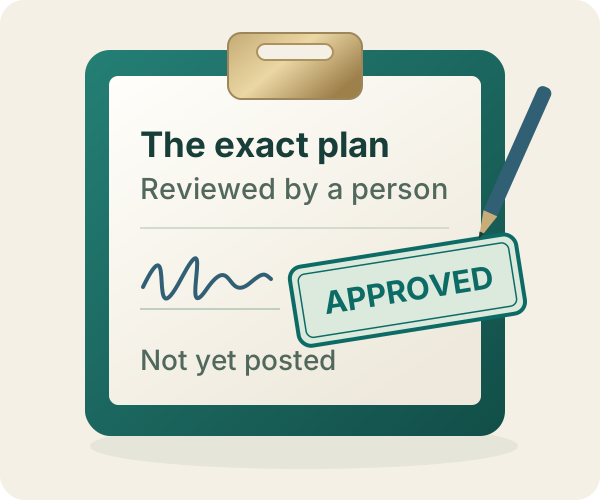
See the prepared plan (original screenshot, opens in a new tab)The reviewer saw the source, coding, amount, warnings, and exclusions. If any included entry changed, Zeno would require a new decision.
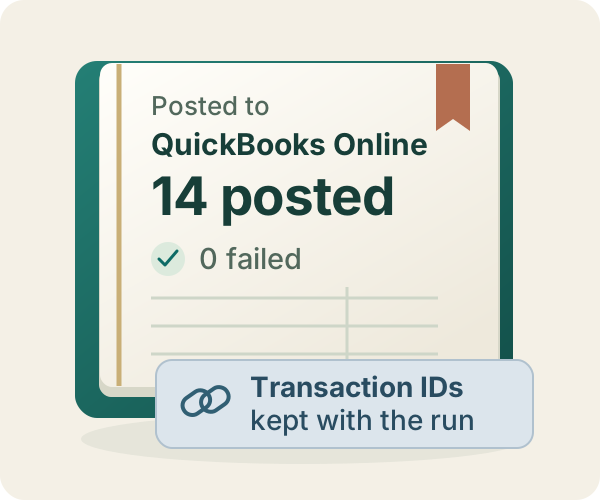
See the recorded approval (original screenshot, opens in a new tab)All 14 approved charges appear in the QuickBooks register. Zeno links each result to the entries and approval so the reviewer can check the finished work.
See the posting results (original screenshot, opens in a new tab)Illustrated workflow · Original captures from September 8, 2026, in Zeno staging and Intuit’s QuickBooks Online sandbox. View the posted charges in QuickBooks Online (opens in a new tab)
Nothing a client teaches Zeno leaks into another client’s books. Nothing that needs a person hides in a single client’s workspace.
Each client shows its QuickBooks connection, the people responsible, what is open, and who decided what.
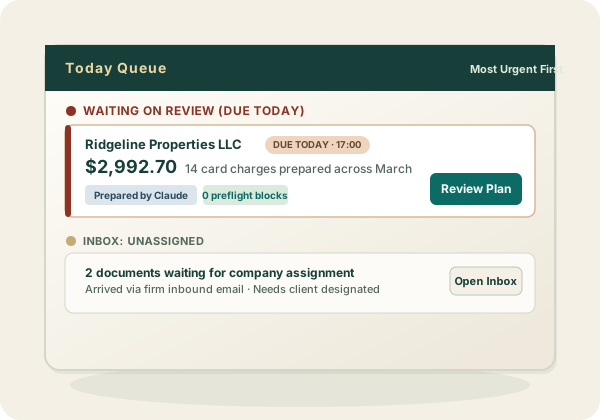
Plans waiting for approval, exceptions the AI held, postings that failed, and unclaimed documents, across every client.
“Which clients still have August bank lines uncoded?” The answer keeps each client’s detail behind it.
Coding rules, client facts, documents and history belong to the client that taught them. The AI cannot reach across.
Your close checklist, written once, followed for every client, by whoever is doing the work and whichever AI they use.
From the AI session to the person who approved it to the QuickBooks transaction, with the explanation and the open items still attached.

Every page of the console is documented before you sign up: tour the firm console →
This is built into the software, not into a prompt. It holds for a junior preparer’s first client and for the partner’s biggest one.
The base includes three client books on QuickBooks Online and everyone at the firm. Clients on QuickBooks Desktop run on the Desktop licence; their live bank feeds come through the connectors add-on on this same account, so the firm has one login and one invoice.
No setup fee and no services package. The first client is free for 14 days.
Name the practice and invite the people who prepare or approve work.
Authorize the client’s QuickBooks Online company through Intuit.
Have the AI prepare a month, read the plan, approve it, and open the record afterwards.